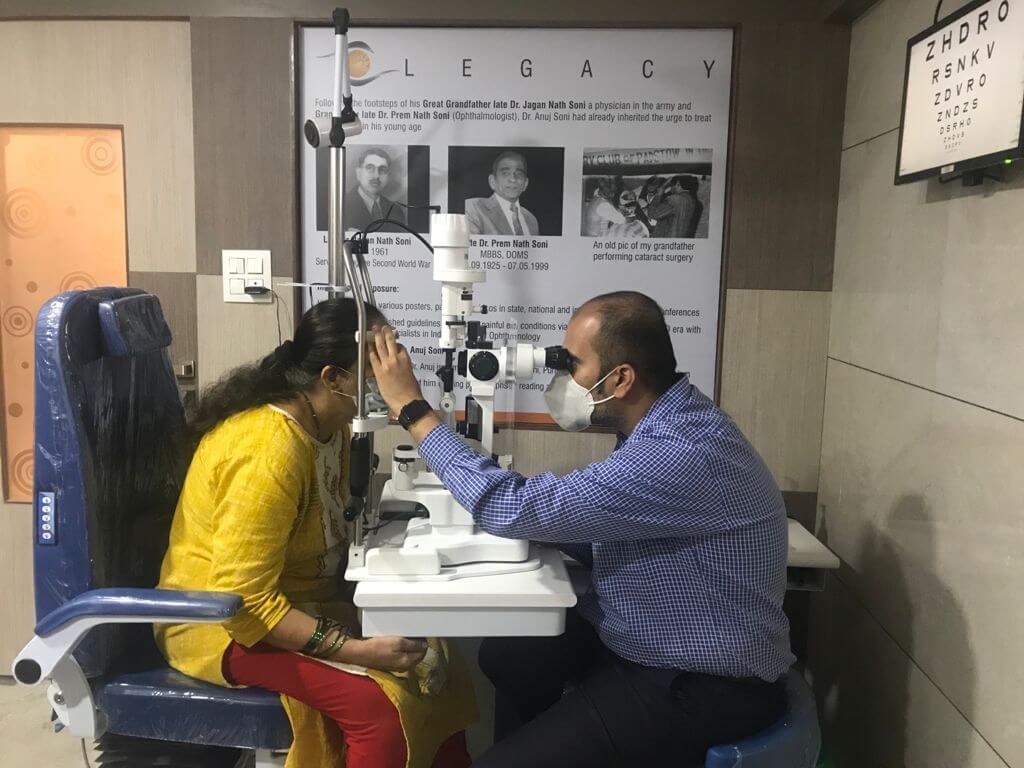
Expert Eye Care at Soni Eye Care Center, Mulund and Thane
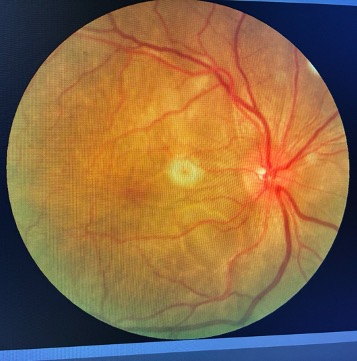
Vogt-Koyanagi-Harada (VKH) disease is a rare, immune-mediated inflammatory condition that primarily affects the uvea and choroid of the eye. It can also affect the retina, inner ear, meninges, skin, and hair. VKH disease is an important cause of bilateral posterior uveitis and may lead to significant visual impairment if not diagnosed and treated promptly.
At Soni Eye Care Center, Mulund and Thane, patients experiencing symptoms of uveitis, blurred vision, or suspected retinal inflammation can seek an ophthalmic evaluation to determine the underlying cause and appropriate treatment.
What Is VKH Disease?
Vogt-Koyanagi-Harada disease, commonly known as VKH disease or VKH syndrome, is an autoimmune inflammatory disorder in which the body’s immune system targets melanocyte-associated antigens. These cells are found in the uvea, inner ear, meninges, skin, and hair.
The condition is named after Vogt, Koyanagi, and Harada, who separately described clinical features associated with the disease.
VKH primarily affects the uvea, particularly the choroid, which supplies blood to the outer retina. Although the posterior segment of the eye is usually prominently involved, inflammation of the anterior segment can also occur.
VKH disease typically affects both eyes, although symptoms may initially be more noticeable in one eye. Early diagnosis and appropriate treatment are essential to control inflammation and reduce the risk of long-term complications.
Symptoms of VKH Disease
VKH disease can produce both ocular and systemic symptoms. The presentation varies depending on the stage and severity of the condition.
1. General and Neurological Symptoms
During the early phase, patients may experience:
- Headache
- Neck stiffness
- Fever or general malaise
- Sensitivity to light
- Auditory symptoms, such as tinnitus (ringing in the ears) or hearing changes
These symptoms may occur before or alongside visual disturbances.
2. Eye Symptoms
Common ocular symptoms of VKH disease include:
- Blurred or reduced vision in both eyes
- Distortion of vision (metamorphopsia)
- Dull ocular pain or a feeling of heaviness around the eyes
- Redness of the eyes
- Photophobia or discomfort in bright light
- Sudden or significant loss of vision in severe cases
VKH is generally a bilateral condition. However, one eye may initially be more severely affected, and symptoms may not be equally prominent in both eyes.
3. Skin and Hair Changes
Some patients develop changes involving the skin and hair, particularly during later stages of the disease. These may include:
- Poliosis: Whitening of eyelashes, eyebrows, or other hair
- Vitiligo: Loss of skin pigmentation in certain areas
- Alopecia: Hair loss
Not every patient develops these features, and their absence does not exclude VKH disease.
Clinical Signs of VKH Disease
The signs of VKH disease depend on the stage of inflammation and the structures involved.
Anterior Segment Inflammation
Examination may reveal circumcorneal congestion, anterior chamber inflammatory cells, and flare. These findings indicate inflammation of the anterior uvea and may be associated with redness, pain, and photophobia.
Vitritis
Inflammatory cells may be present in the vitreous, although vitritis is not always prominent in VKH disease.
Optic Disc Hyperaemia and Swelling
The optic disc may appear hyperaemic or swollen due to inflammation and associated changes in the posterior segment.
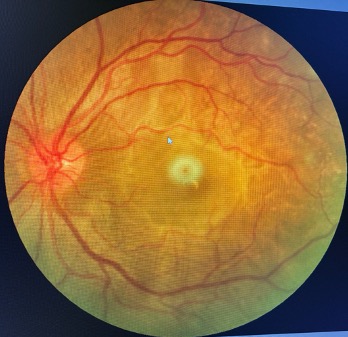
Serous Retinal Detachment
One of the characteristic findings of acute VKH disease is multifocal serous retinal detachment, caused by inflammation and leakage from the choroidal circulation.
Multiple pockets of subretinal fluid may develop and can sometimes merge, resulting in extensive exudative retinal detachment.
Recognising these findings is important because VKH can resemble other conditions that cause fluid accumulation beneath the retina.
Investigations for VKH Disease
A combination of clinical examination and imaging investigations helps establish the diagnosis of VKH disease and distinguish it from other causes of posterior uveitis and serous retinal detachment.
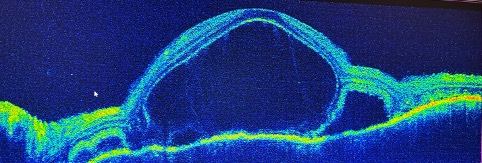
1. Optical Coherence Tomography (OCT)
Optical coherence tomography (OCT) is a non-invasive imaging test that provides detailed cross-sectional images of the retina.
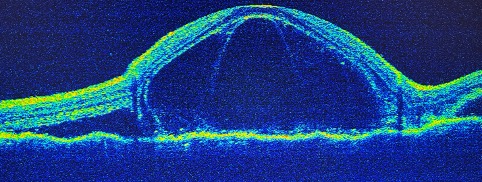
Typical OCT findings in acute VKH disease may include:
- Multiple pockets of subretinal fluid
- Serous neurosensory retinal detachment
- Septa or bridging structures within the subretinal fluid
- Undulations of the retinal pigment epithelium (RPE)
- Thickening of the choroid, which may be assessed with enhanced-depth imaging or swept-source OCT
OCT is particularly useful for identifying subtle retinal changes, assessing macular involvement, and monitoring the response to treatment.
2. B-Scan Ultrasonography
B-scan ultrasonography is useful when the fundus view is limited or additional assessment of the posterior segment is needed.
Possible findings include:
- Diffuse choroidal thickening
- Serous retinal detachment
- Associated posterior segment inflammatory changes
The findings must be interpreted alongside the clinical examination because choroidal thickening and retinal detachment are not specific to VKH disease.
3. Fundus Fluorescein Angiography (FFA)
Fundus fluorescein angiography is an important investigation for evaluating retinal and choroidal inflammatory leakage.
Characteristic findings in acute VKH disease include:
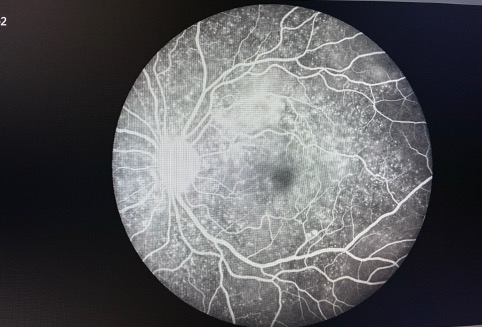
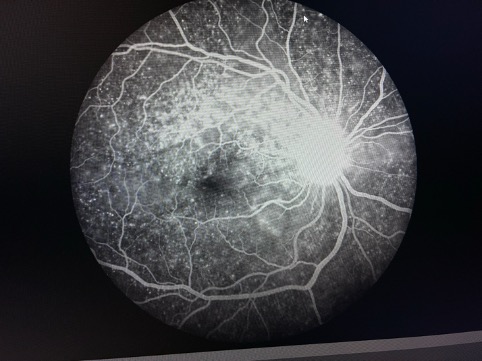
- Multiple pinpoint areas of dye leakage
- Progressive pooling of dye within areas of serous retinal detachment
- Late optic disc leakage
The multiple pinpoint leaks, together with pooling of dye, may produce a characteristic “starry-sky” appearance.
FFA can support the diagnosis of VKH when interpreted alongside clinical findings and other imaging investigations.
4. Additional Investigations
Depending on the presentation, the ophthalmologist may recommend other investigations, such as indocyanine green angiography, laboratory testing for infectious causes, or additional imaging.
The purpose is to support the diagnosis, evaluate disease severity, and exclude conditions that can mimic VKH disease.
Differential Diagnosis of VKH Disease
Several conditions can cause uveitis, choroidal inflammation, or serous retinal detachment. It is important to distinguish these conditions because their treatments differ.
1. Infectious Uveitis
Conditions such as ocular tuberculosis, syphilis, and toxoplasmosis may produce inflammatory changes that resemble VKH disease.
Appropriate investigations based on the patient’s history and clinical findings are essential to exclude infections before initiating or intensifying immunosuppressive treatment.
2. Sarcoidosis
Sarcoidosis is an inflammatory condition that can affect multiple organs, including the eyes. It may cause anterior or posterior uveitis and can sometimes resemble VKH disease.
Clinical findings, systemic assessment, and selected investigations help distinguish the two conditions.
3. Central Serous Chorioretinopathy (CSCR)
Central serous chorioretinopathy can also cause fluid accumulation beneath the neurosensory retina. However, it does not typically produce the same pattern of diffuse choroidal inflammation and systemic features seen in VKH disease.
OCT, FFA, clinical history, and other appropriate investigations can help differentiate CSCR from VKH. This distinction is particularly important because corticosteroids can worsen CSCR.
4. Posterior Scleritis
Posterior scleritis is an inflammatory condition affecting the posterior sclera. It may present with ocular pain, visual impairment, choroidal folds, or serous retinal detachment.
It is often unilateral and painful, although bilateral or less painful presentations can occur.
B-scan ultrasonography may reveal posterior scleral thickening and fluid in the sub-Tenon’s space, producing the characteristic T-sign. These findings support the diagnosis of posterior scleritis.
Treatment of VKH Disease
The primary goal of VKH treatment is to suppress inflammation promptly, resolve subretinal fluid, preserve vision, and prevent recurrent or chronic disease.
Treatment should be guided by an ophthalmologist experienced in uveitis, with input from other specialists when required.
1. Corticosteroid Treatment
Corticosteroids are commonly used as first-line treatment for acute VKH disease.
Depending on the severity of inflammation, treatment may involve:
- Oral corticosteroids
- Intravenous corticosteroid pulse therapy for selected severe cases
- Topical corticosteroid eye drops to control associated anterior segment inflammation
In severe cases, intravenous corticosteroids may be considered to achieve rapid control of inflammation. Treatment is then adjusted according to the clinical response.
Systemic corticosteroids generally require a carefully supervised taper rather than abrupt discontinuation.
2. Immunomodulatory and Steroid-Sparing Therapy
Some patients require immunomodulatory or immunosuppressive treatment to achieve sustained control of inflammation and reduce dependence on corticosteroids.
These medicines may be introduced early in selected patients, particularly when disease is severe, recurrent, chronic, or difficult to control with corticosteroids alone.
The choice of medication depends on disease activity, patient-specific factors, potential adverse effects, and the treating specialist’s assessment.
3. Long-Term Monitoring
VKH disease may recur or become chronic if inflammation is not adequately controlled. Long-term follow-up is therefore important.
Monitoring may include:
- Visual acuity assessment
- Slit-lamp examination
- Dilated retinal examination
- OCT to assess subretinal fluid and macular changes
- Additional imaging when indicated
- Monitoring for treatment-related adverse effects
Early and sustained control of inflammation can improve the likelihood of preserving vision and reducing complications.
Important: Sudden loss of vision, significant eye pain, or rapidly worsening visual symptoms require urgent ophthalmic assessment.
VKH Disease Treatment in Mumbai and Thane
VKH disease requires careful evaluation because it can affect several ocular structures and may resemble other inflammatory or retinal conditions.
At Soni Eye Care Center, Mulund and Thane, Dr. Anuj Soni and Dr. Asmita Soni provide ophthalmic care for patients seeking evaluation of retinal and uveitic conditions. An appropriate examination and investigations can help determine the likely diagnosis and the next steps in management.
If you are experiencing blurred vision, visual distortion, redness, or symptoms suggestive of uveitis, arrange an ophthalmic consultation promptly.
Frequently Asked Questions About VKH Disease
1. Is VKH disease an autoimmune condition?
Yes. VKH disease is considered an immune-mediated inflammatory disorder involving melanocyte-associated antigens. It can affect the eyes, inner ears, meninges, skin, and hair.
2. Does VKH disease affect both eyes?
Yes. VKH usually affects both eyes, although the severity may differ between the eyes and symptoms may initially be more noticeable in one eye.
3. Can VKH disease cause permanent vision loss?
VKH can cause significant visual impairment if inflammation is severe, recurrent, or inadequately controlled. Early diagnosis and appropriate treatment improve the chances of preserving vision.
4. Which test is best for diagnosing VKH disease?
No single investigation confirms every case. Clinical examination, OCT, FFA, and sometimes B-scan ultrasonography or other imaging are interpreted together. Investigations to exclude infectious and other inflammatory conditions may also be necessary.
5. Is VKH disease treatable?
Yes. Inflammation can often be controlled with corticosteroids and, when indicated, immunomodulatory treatment. Some patients require prolonged treatment and regular follow-up to prevent recurrence.
6. How long does VKH treatment take?
Treatment duration varies with disease severity and response. Corticosteroids may need to be tapered gradually, and some patients require steroid-sparing treatment for an extended period. Treatment should not be stopped or changed without medical supervision.
7. Where can I consult an eye specialist for VKH disease in Mumbai or Thane?
Patients seeking evaluation for VKH disease, posterior uveitis, or unexplained visual loss can contact Soni Eye Care Center in Mulund or Thane to arrange an ophthalmic consultation.
Consult Soni Eye Care Center for Uveitis and Retinal Conditions
VKH disease is a potentially sight-threatening inflammatory condition that benefits from early recognition, appropriate investigations, and sustained treatment.
If you are searching for VKH disease treatment in Mumbai, uveitis treatment in Thane, a retina specialist in Mulund, or evaluation for serous retinal detachment, contact Soni Eye Care Center to arrange an appointment.
Soni Eye Care Center – Mulund and Thane
For appointment enquiries, please contact the clinic directly.